



Reading to your baby
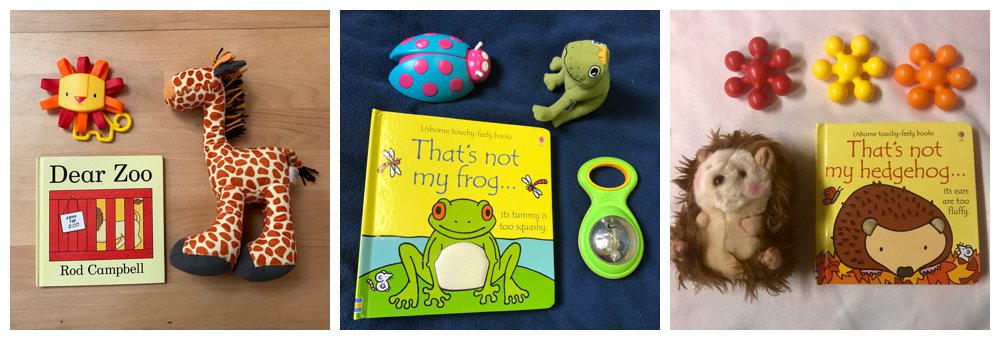
Reading to Your Baby: Why It’s So Important
Reading to your baby from a young age is one of the most powerful things you can do for their development. Research shows that little ones who are exposed to books early on develop better language skills and faster cognitive processing speeds — both of which have a lasting impact on their education. Every time you share a story, you’re helping to build your baby’s brain.
The wonderful news is that you can start reading to your baby from birth. Many parents tell us they haven’t introduced books yet because their little one can’t understand the story. While this is true, it doesn’t mean they aren’t learning. Babies benefit enormously from listening to your voice, seeing the pictures, and exploring books with their senses.
How Reading Helps Your Baby
Reading with your baby supports:
- Language skills – learning new sounds, patterns, and words
- Cognitive processing – strengthening the brain’s ability to think and respond
- Visual skills – developing tracking and visual discrimination skills
- Listening and attention – learning to focus and concentrate
- Motor skills – coordinating eye muscles and building hand-eye coordination when turning pages
- Communication skills – encouraging back-and-forth interaction with you
In fact, studies have shown that children who are read to every day can be up to 12 months ahead of their peers when they start school. It really does make a difference.
Our Top Tips for Reading to Your Baby
Here are some simple ways to make reading part of your everyday routine:
- Start today – grab a book, cuddle up with your baby, and enjoy some story time.
- Choose repetitive books – titles like the That’s Not My… series by Usborne are brilliant for building familiarity.
- Match books with toys – add to the fun by matching a book with a toy or puppet. For example, if a ladybird appears at the end of the story, bring out a ladybird puppet to build anticipation.
- Pick textured books – touch-and-feel books add an extra sensory dimension.
- Repeat favourites often – babies learn best through repetition, and revisiting the same book helps strengthen brain connections.
- Think about timing – try reading when your baby is calm and settled, rather than when they’re alert and active.
- Vary positions – read while lying beside your baby, cuddling them, or even during tummy time.
- Use contrast books for young babies – black and white or bold contrast images are great for developing visual skills.
- Make it part of your daily routine – for example, a book before a nap or bedtime.
- Get others involved – listening to different voices is brilliant for your baby’s language and listening development.
Have Fun Together
Reading should always be enjoyable. Don’t worry about getting through the whole book — it’s about the experience, not the finish line. Follow your baby’s cues, stop when they’ve had enough, and keep it playful.
And as always, ensure your baby is safe during story time. Keep them in eyesight and arms’ reach.
Free Baby and Books Play Pack
We’d love to help you get started with reading. That’s why we’ve created a free Baby and Books Play Pack, full of ideas on how to incorporate stories into play.